
The Papyrus Collection - the oldest texts in the library
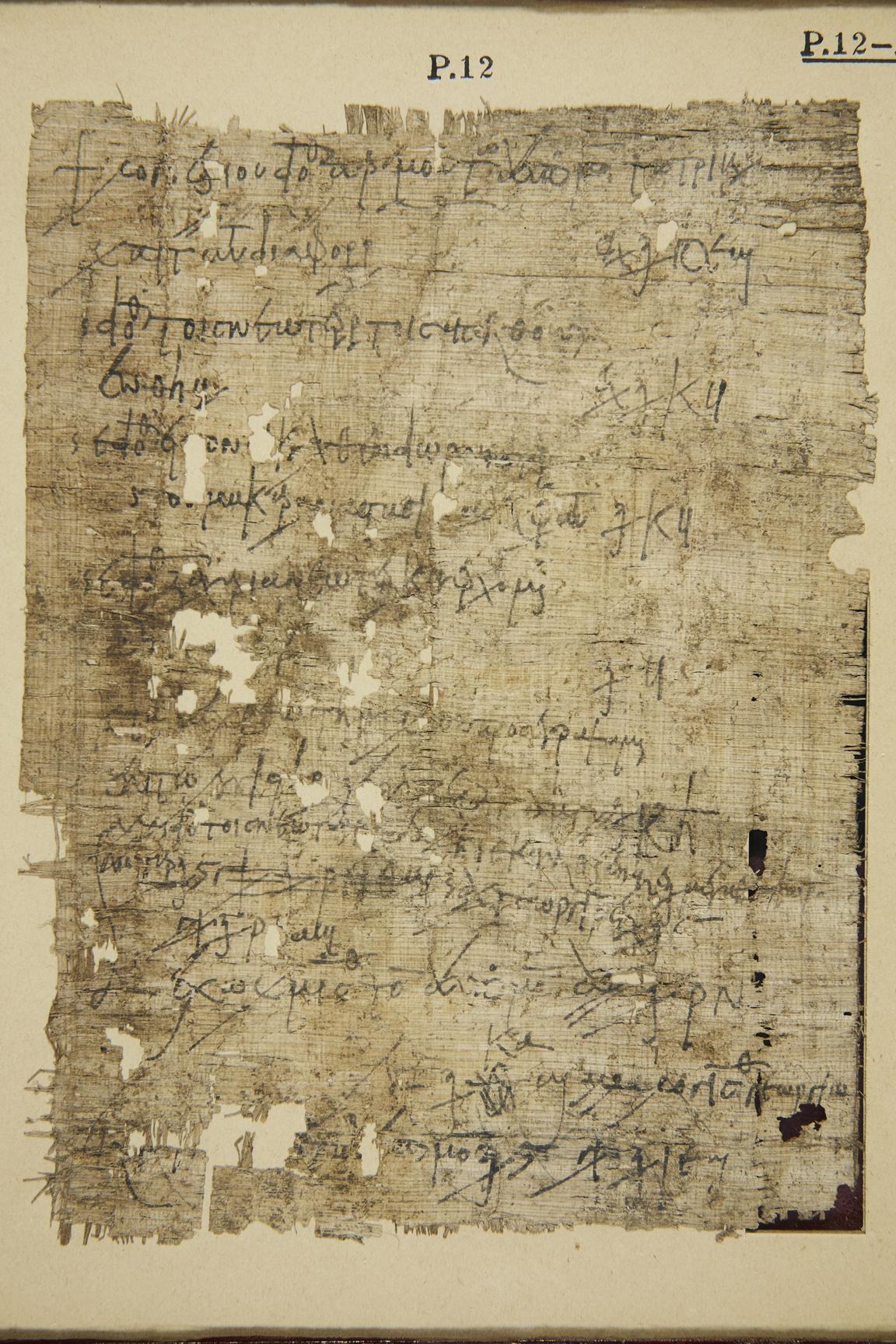
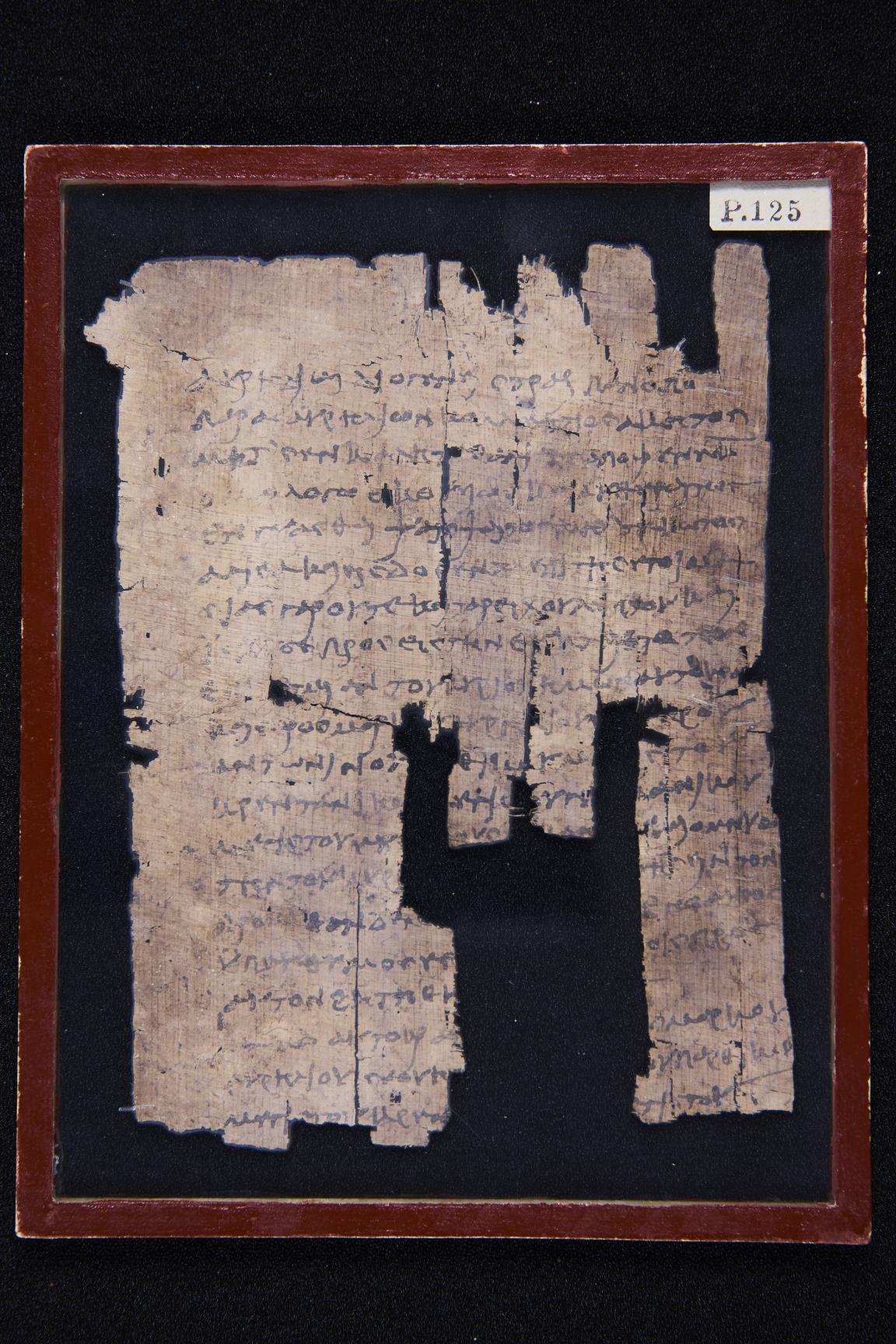
The Gothenburg University Library owns a collection of 129 Egyptian papyri. The most ancient are nearly 2 000 years old, and the most recent about 1 200 years old. The majority of the texts are in Ancient Greek, but there are some Coptic and Arabic texts in the collection.
About the collection
The collection is diverse in its dating, contents and geographic origins. Though all the papyri were both written and found in Egypt, their places of origin and finding locations vary widely, and for many of the fragments, these details cannot be determined at all.
Regarding their dating, the newest papyrus fragment is separated from the oldest by over half a millennium. The oldest dated fragment in the collection is from 140 CE, while the newest was probably written at some point in the 8th century.
The papyri also vary widely in their contents, though all save except one appear to be documentary in nature. Some examples include a list of deliveries of oil and wine, fragments of accounts, a receipt for seed for sowing, a wage agreement, a few letters and a kind of economical personal guarantee.
The only literary fragment in the collection is a short section from an unknown epic text.
History
The collection came to the Gothenburg University library in the 1920s. Papyrus scholar Wilhelm Schubart supposedly purchased, on behalf of the library, part of the collection from a private German collection. Later on, he acquired the rest during his travels in Egypt in 1925.
In 1929, Hjalmar Frisk issued a publication where the Greek papyri of the collection are described. 21 of them are presented in more detail, while the rest get a cursory mention. Nothing is said about the few Coptic and Arabic papyri, apart from them being included in the collection.
In the 1920s, the entire collection was mounted in sandwiched glass by Hugo Ibscher, the then authority on papyrus conservation. Only the very few papyri that have since suffered cracks in the glass have been remounted. This has been done according to the guidelines of conservation and mounting issued by APIS. Each fragment has been scanned in 600 ppi and described with an electronic cataloguing card - sometimes in great detail, sometimes very briefly.
Each image and cataloguing card is available through the APIS database, enabling browsing for papyri from a certain genre, or with specific content, from a certain place or time, or with a specific name mentioned. Browsing can be made to include all associated collections or a specific, selected collection.
The Papyrus Collection is held in the climate controlled rarities room, at a constant temperature of 18°C and a constant relative humidity of about 50 % - conditions close to the ideal for papyrus storage.
The work has been undertaken at the Gothenburg University Library, by Karin Kulneff-Eriksson, Ph. D., with financial support from the Riksbankens Jubileumsfond.
Locate the collection
The collection is freely available for digital viewing and browsing at the Papyri.info. through the APIS international collaboration - the Advanced Papyrological Information System.
Contact
Gothenburg University Library Manuscripts Section
Contact
Visit us
The Humanities Library
Renströmsgatan 4
405 30 GOTHENBURG