Waldemar Zachrisson Prints Collection
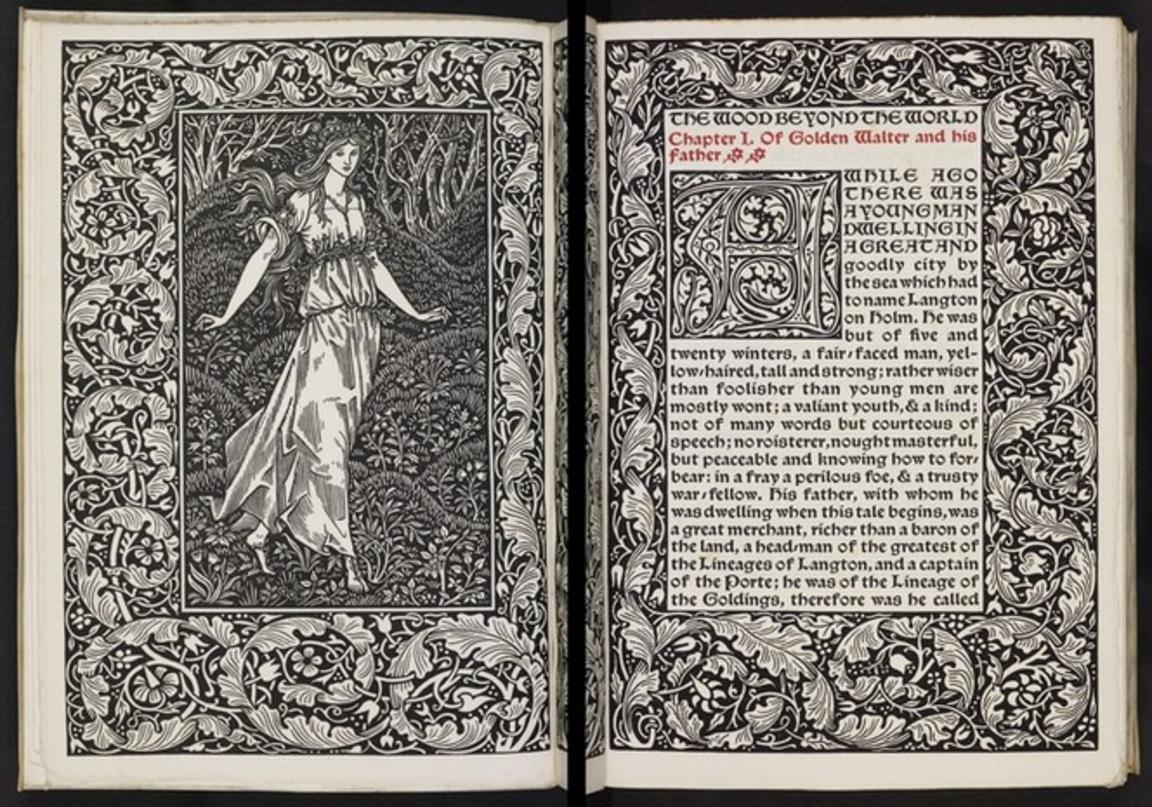
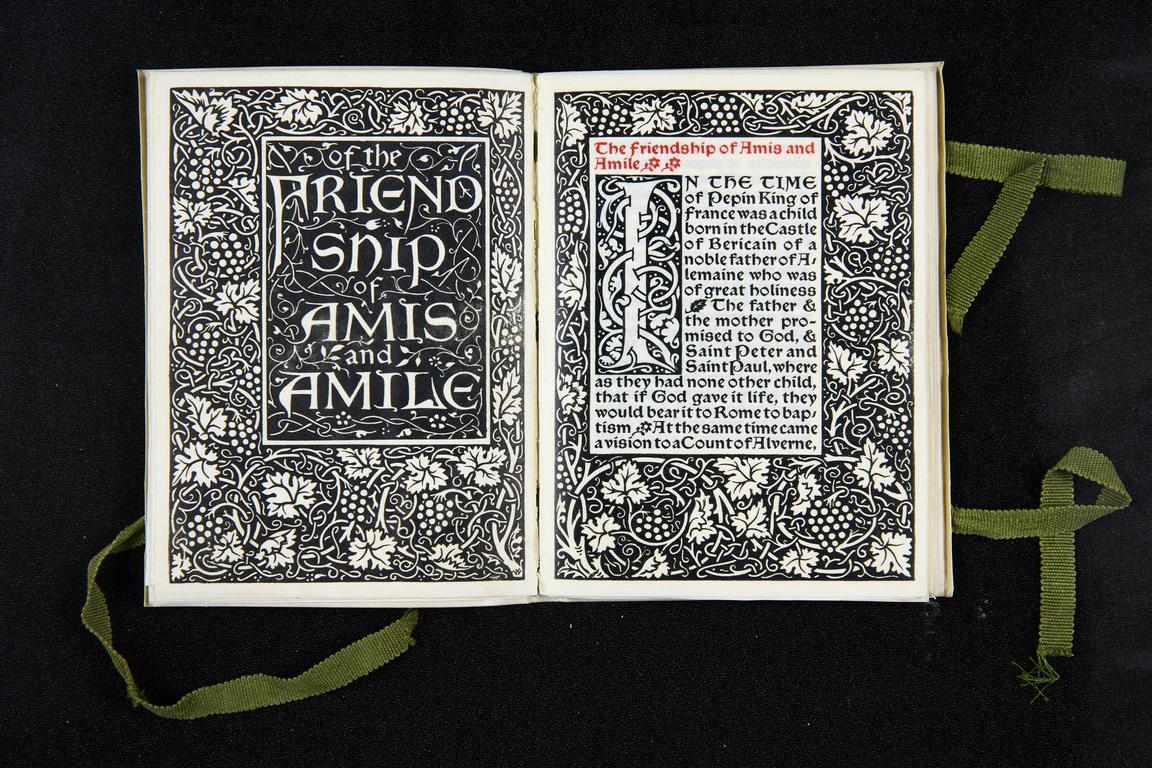
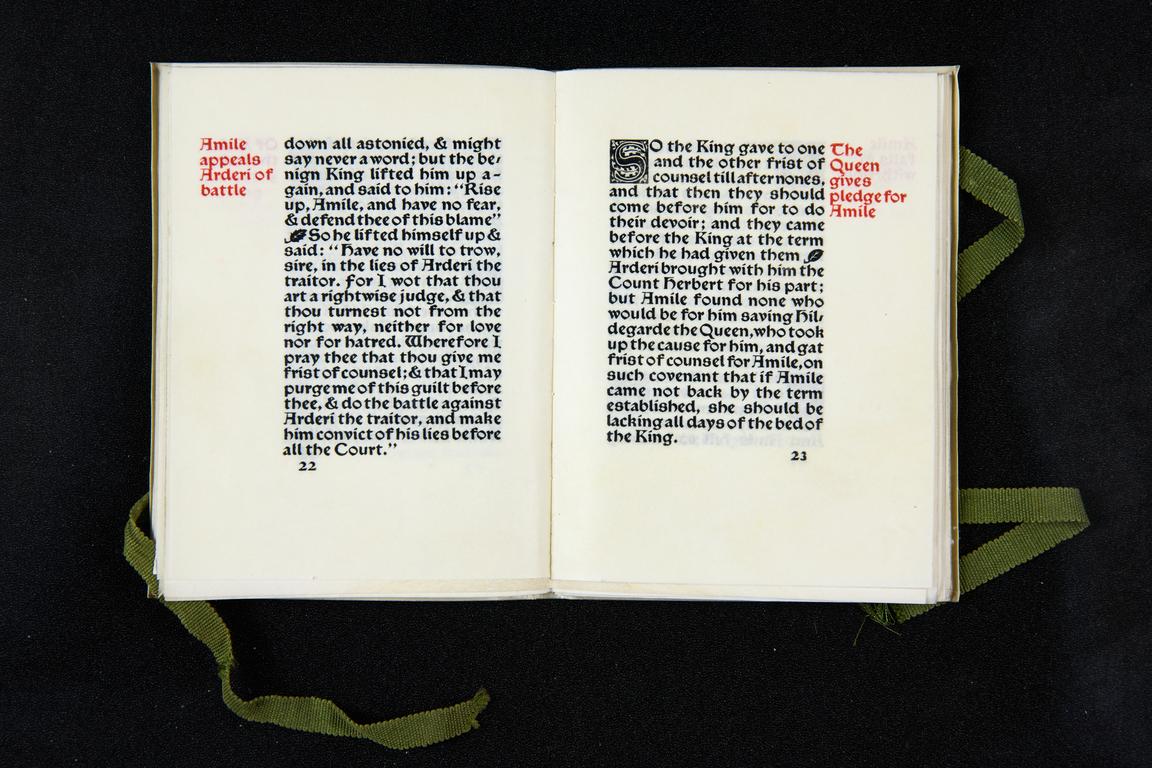
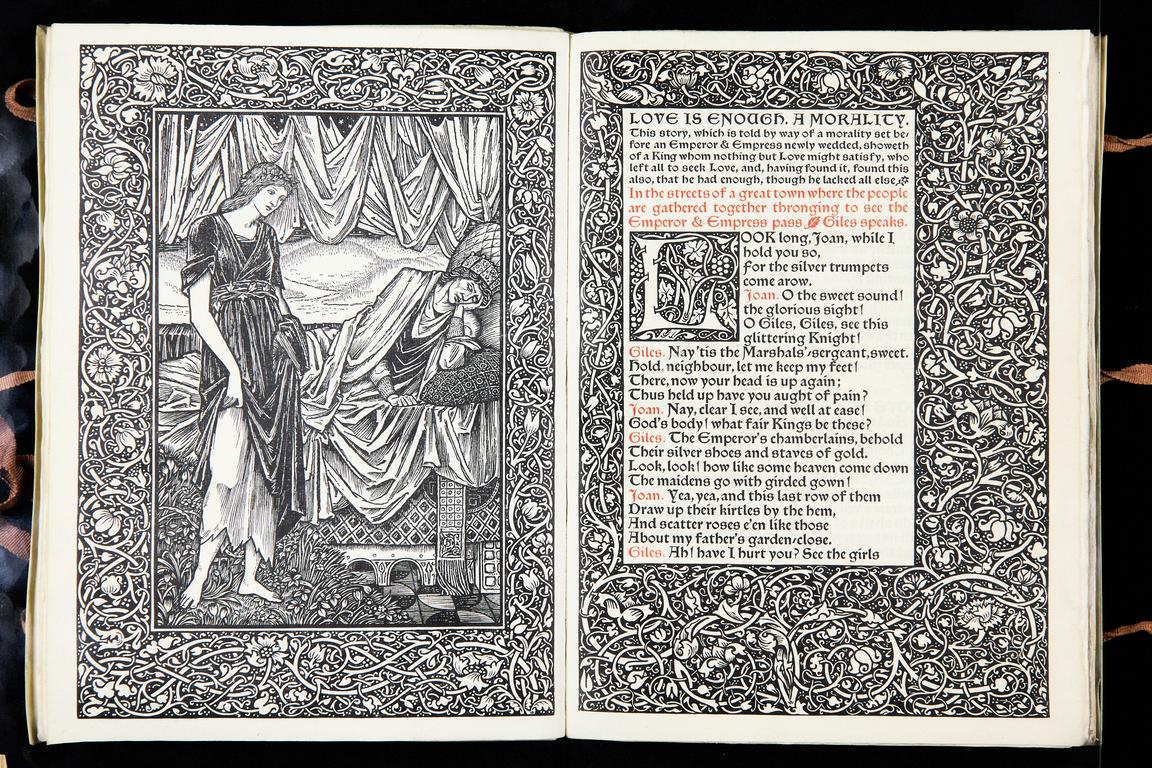
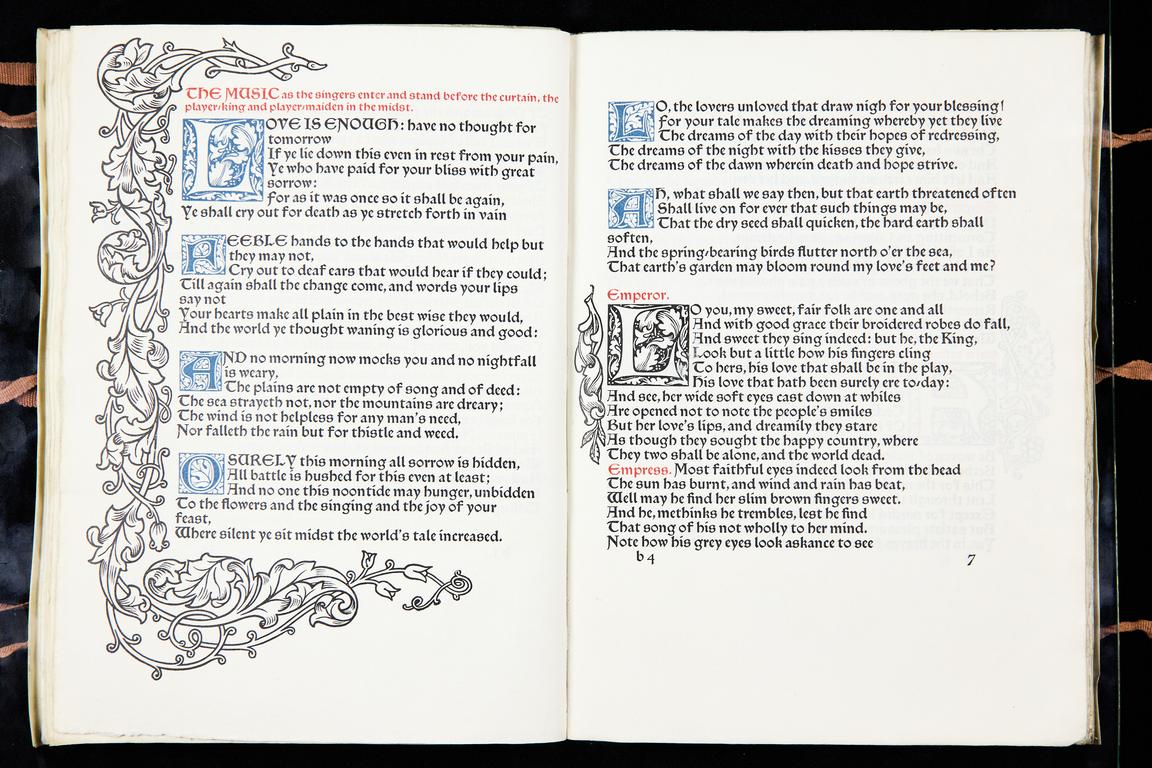
The collection consists of Anglo-Saxon books, mainly from private presses. Some of the titles originate from traditional publishers, but still have a focus on the aesthetic and typographic properties of the printing. All in all, the collection includes 100 works, providing a handsome overview of various typographic and book aesthetic styles and features within the Anglo-Saxon private press movement from around 1890 to 1920.
About the collection
In the late 19th century, European printers began to scrutinize the typography of the past few decades with fairly critical eyes. The general opinion on crafts and their aesthetic was that the 19th century had been a time of decline. A large part of the blame for this decline was laid at the door of the industrialisation of the 19th century, though several other factors were also mentioned. The Arts and Crafts movement, which celebrated the manual crafts, sought to place them side by side with the arts, and the movement would be an influential counterweight to what was perceived as a detrimental tendency.
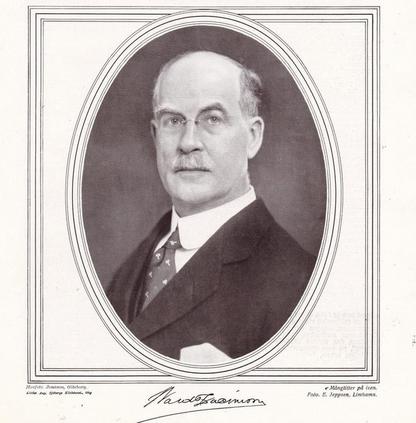
Though many different printers at this time were also promoting better craft initiatives within the book manufacturing trade, it was Englishman William Morris and his Kelmscott Press that brought about the first steps of a renaissance of good printing. In Sweden, Gothenburg-based printer Waldemar Zachrisson had already started promoting the same issue. Among other things, he was the driving force behind the Swedish printing association known as Allmänna svenska boktryckareföreningen in 1893, and he also issued the Boktryckeri-Kalender, advocating various matters concerning typography, printing and book history. When Zachrisson discovered the books of William Morris from the Kelmscott Press in 1896, he found a new model for printing, and Zachrisson would be the one to introduce Morris' work in the Swedish professional printing circles.
Access the collection
The collection is held in the closed stacks at the Humanities library. It is available for reading room use only.
Catalogue
The collection has been catalogued in its entirety.
In Libris.
In Supersearch
Humanities library
Renströmsgatan 4
405 30 GOTHENBURG
Phone: 031-786 17 45
Text:
Stefan Benjaminsson
The collection has been catalogued by Stefan Benjaminsson.
In the wake of William Morris and Kelmscott Press, a great many private presses established themselves in the UK. The term is used rather widely, and should not be understood as referring merely to a privately owned printing press, as opposed to a government-owned one, or a traditional, commercial printing business. "Private" in this sense should be understood rather in the sense of "personal"; the books were designed and printed with no real purpose of profit, but according to the personal visions of the printshop owners regarding the aesthetics of book manufacture and craft. Roderick Cave discusses these questions in his book The private press from 1971. Here, he also addresses the difficulty of defining the concept of private presses. Among others, he refers to the descriptions by C. R. Ashbee and John Carter, which together describe a ”private press” as a printshop whose purpose is aesthetic, and where the will to print a good book overshadows the need for profit.
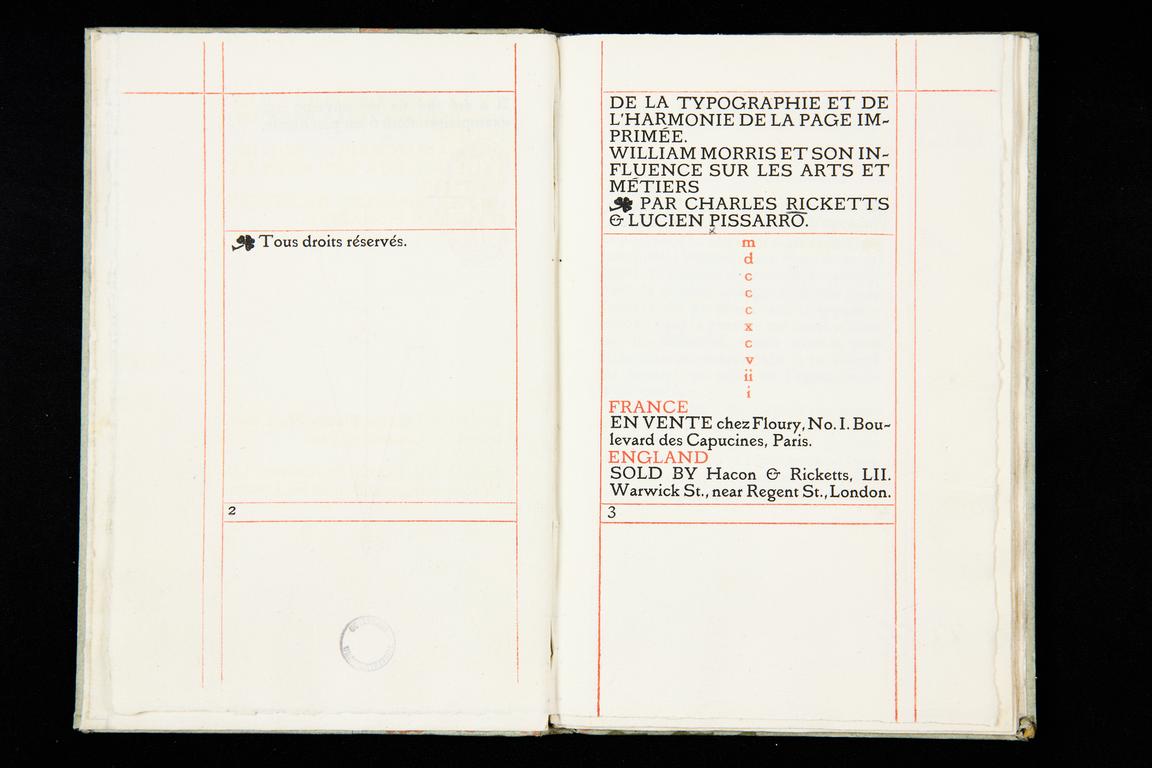
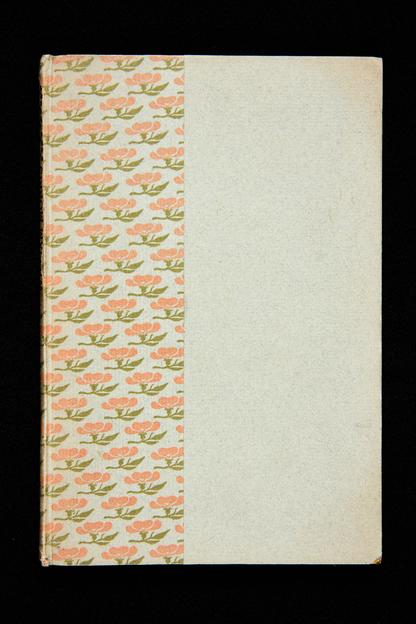
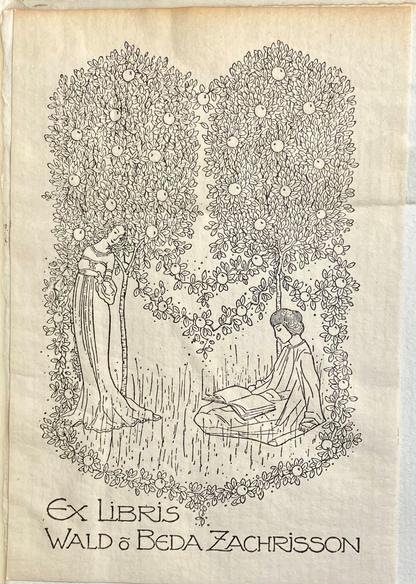
To find inspiration for his print shop and his articles, Waldemar Zachrisson collected books printed by various English and American private presses. The Zachrisson collection also includes books from other English printing houses, which were not private presses. The various issuing bodies could be print shops, publishers, or specific publication series from a publishing house. A good example is the Florence Press, founded by publishing house Chatto & Windus, where the books were then printed by a third party. Several traditional publishers are also represented in the collection, including Bodley Head, which employed several different printing workshops, but whose typography was evidently to Zachrisson's taste.
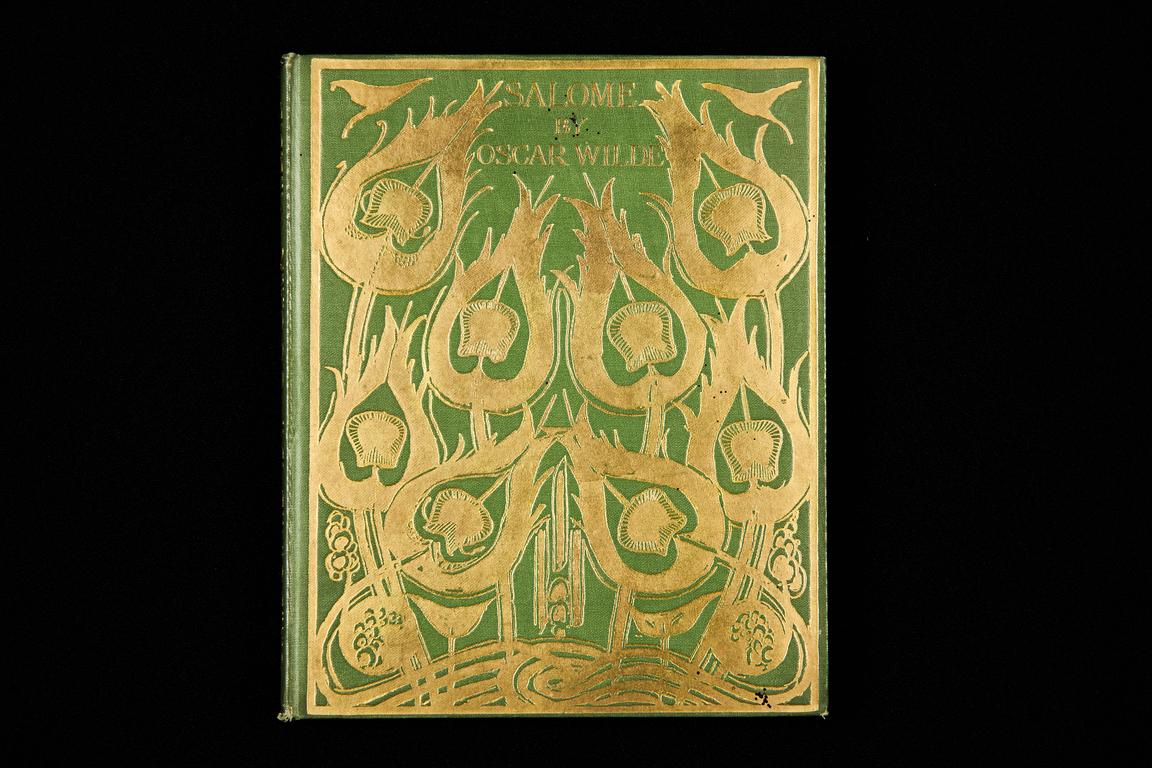
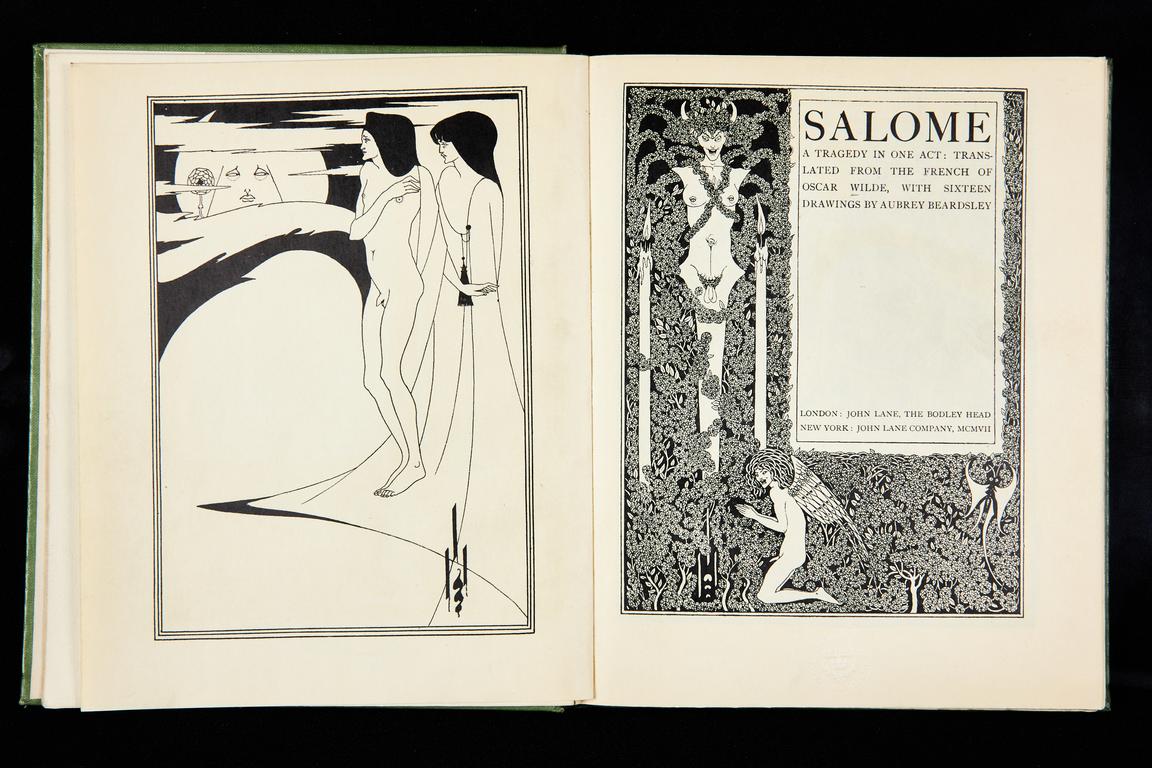
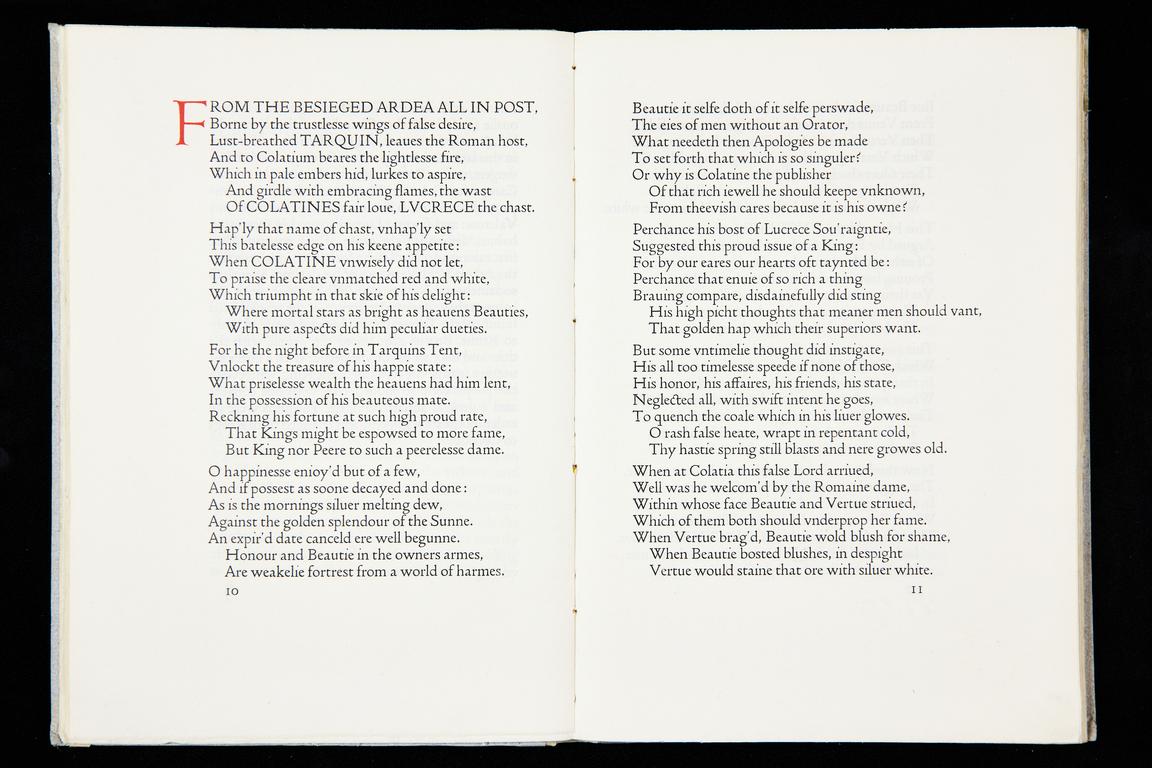
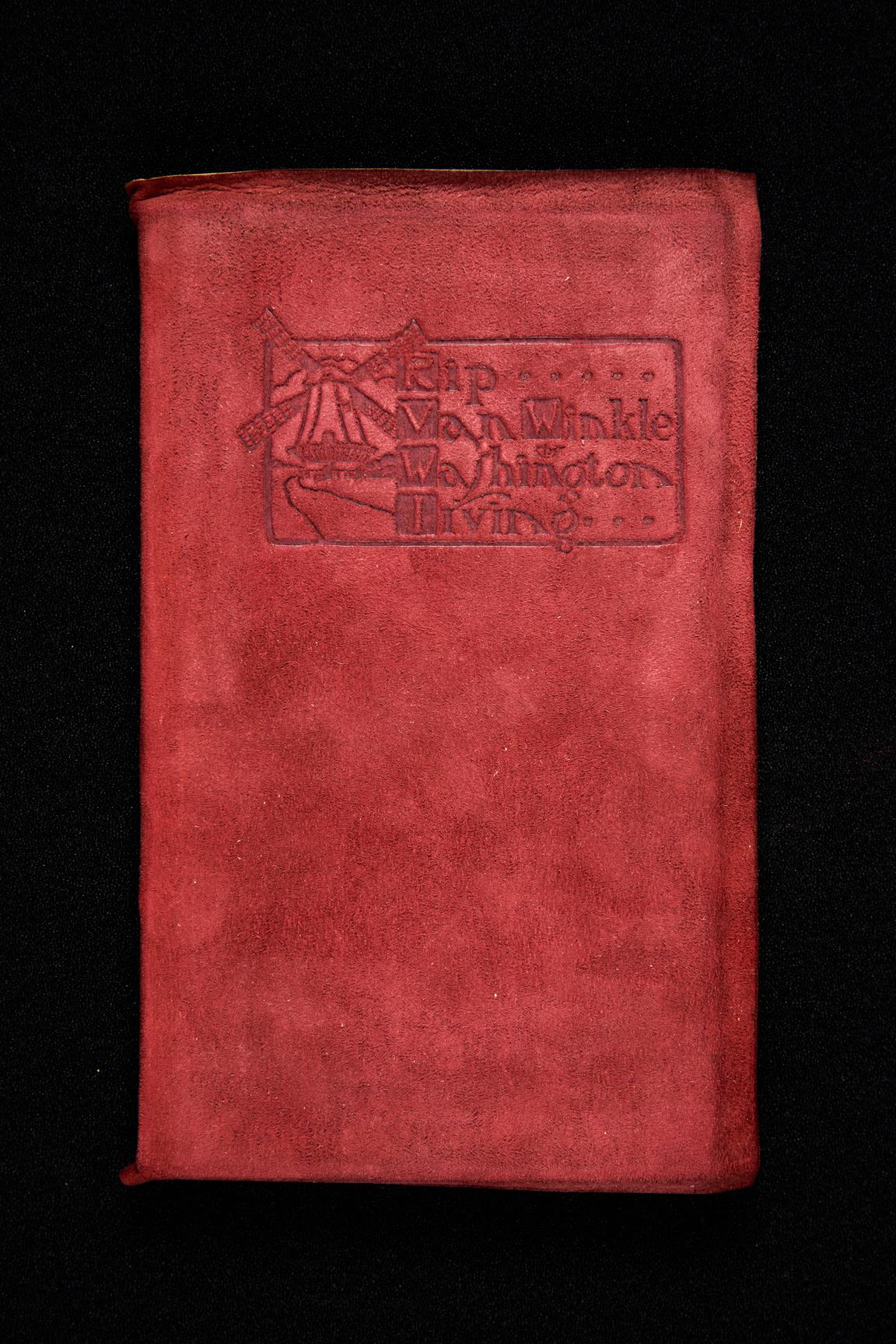
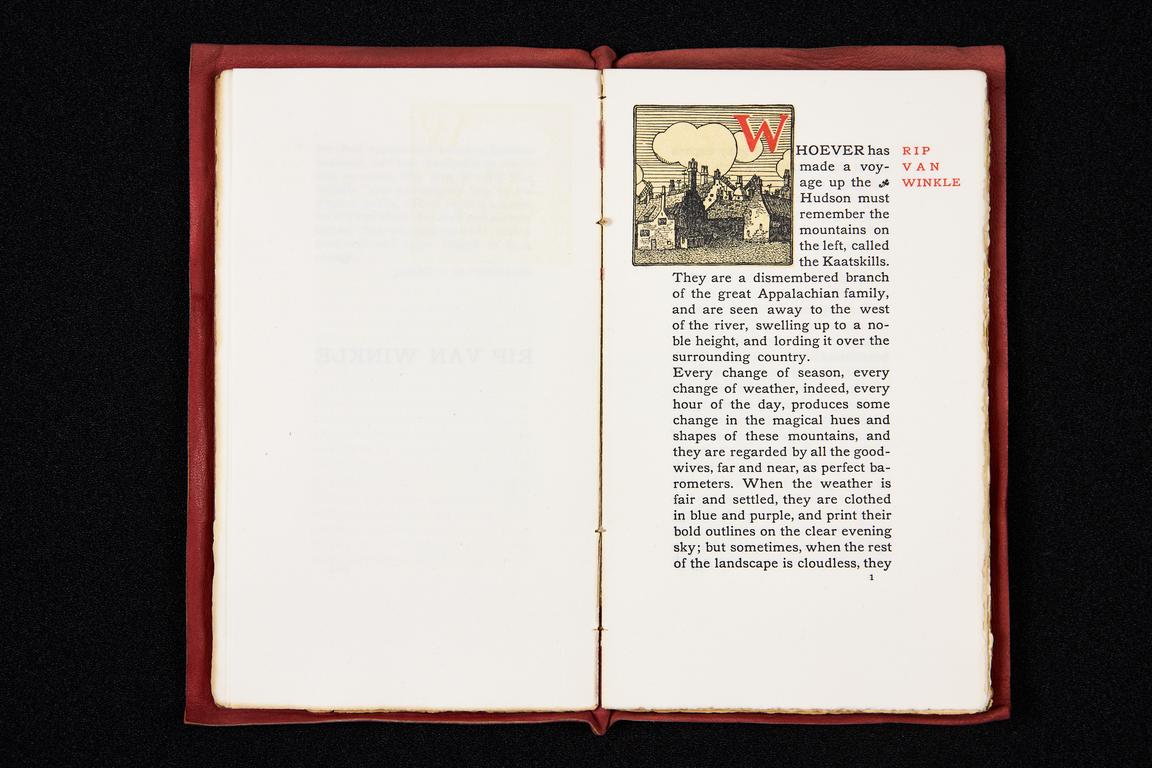
Reading about private presses we come across many names on a somewhat regular basis. Many of those who worked at Kelmscott Press would later move on to work at other private presses. Emery Walker, a defining personage at Kelmscott Press, later joined forces with T. J. Cobden-Sanderson to found Doves Press. Bernard Newdigate who ran Arden Press would later become the printer for Shakespeare Head Press.
Though there are still publishers around to this day, who issue small editions of fine prints in the spirit of the private press movement, these publishers are highly traditional businesses, with an aim for profit. There is a dividing line between the various presses represented in the Zachrisson collection, where some have operated with the express purpose of issuing beautiful books that would fetch a lower price than books from various private presses. Colin Franklin writes inThe private presses that it is not altogether easy to define the beginning and end of the private press movement. Finer prints in small editions have been around since the early 19th century, and in the 20th century there have also been a host of printers who have experimented with, and issued, limited editions. Arion Press, founded in 1974 in San Fransisco and still active, is a good example of a publisher that issues limited editions, but still cannot be considered a private press. Franklin means there is good reason to date the origins of the movement to 1891 when William Morris first began printing, and its end to 1939, with the onset of the Second World War.
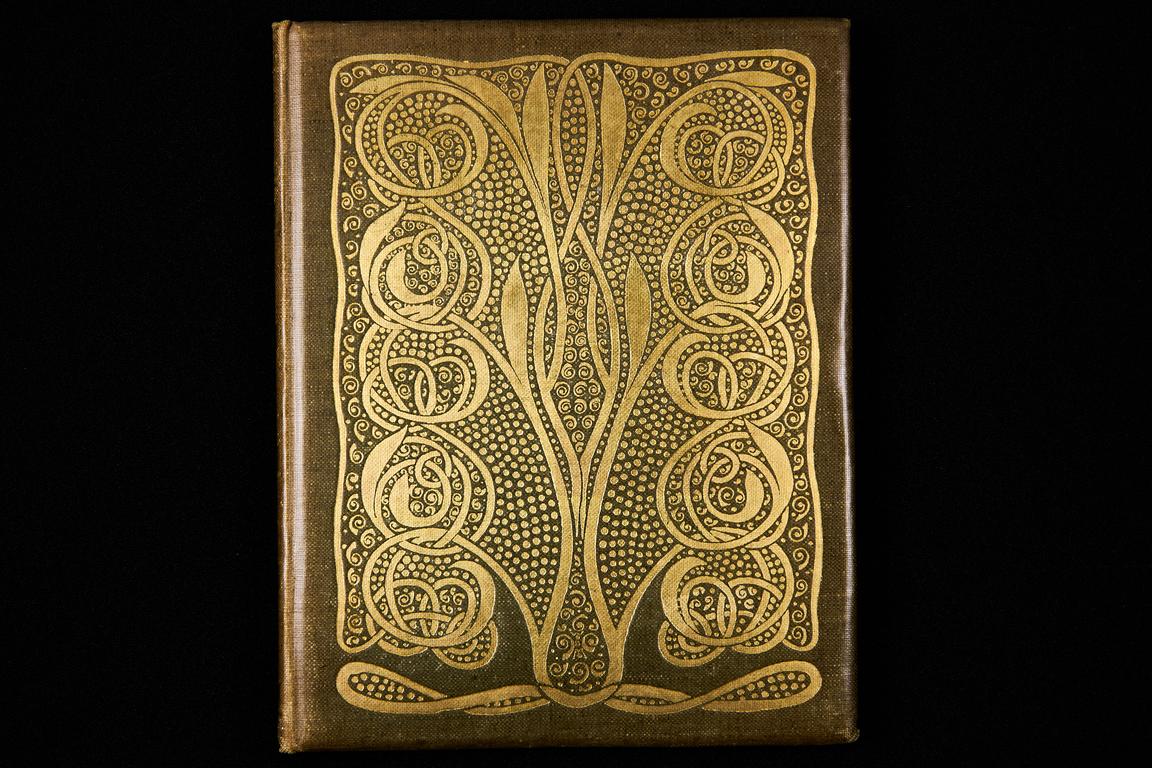
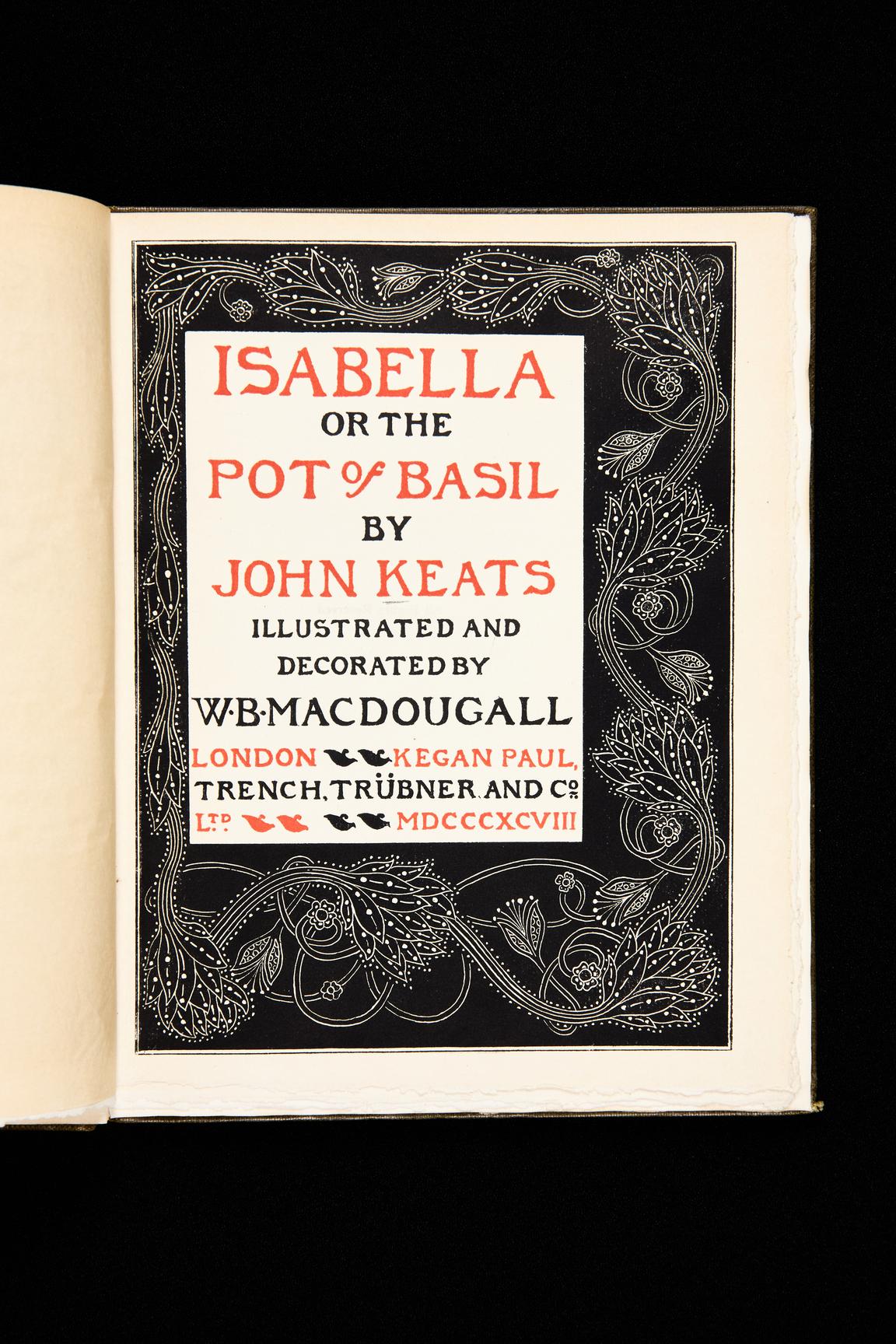
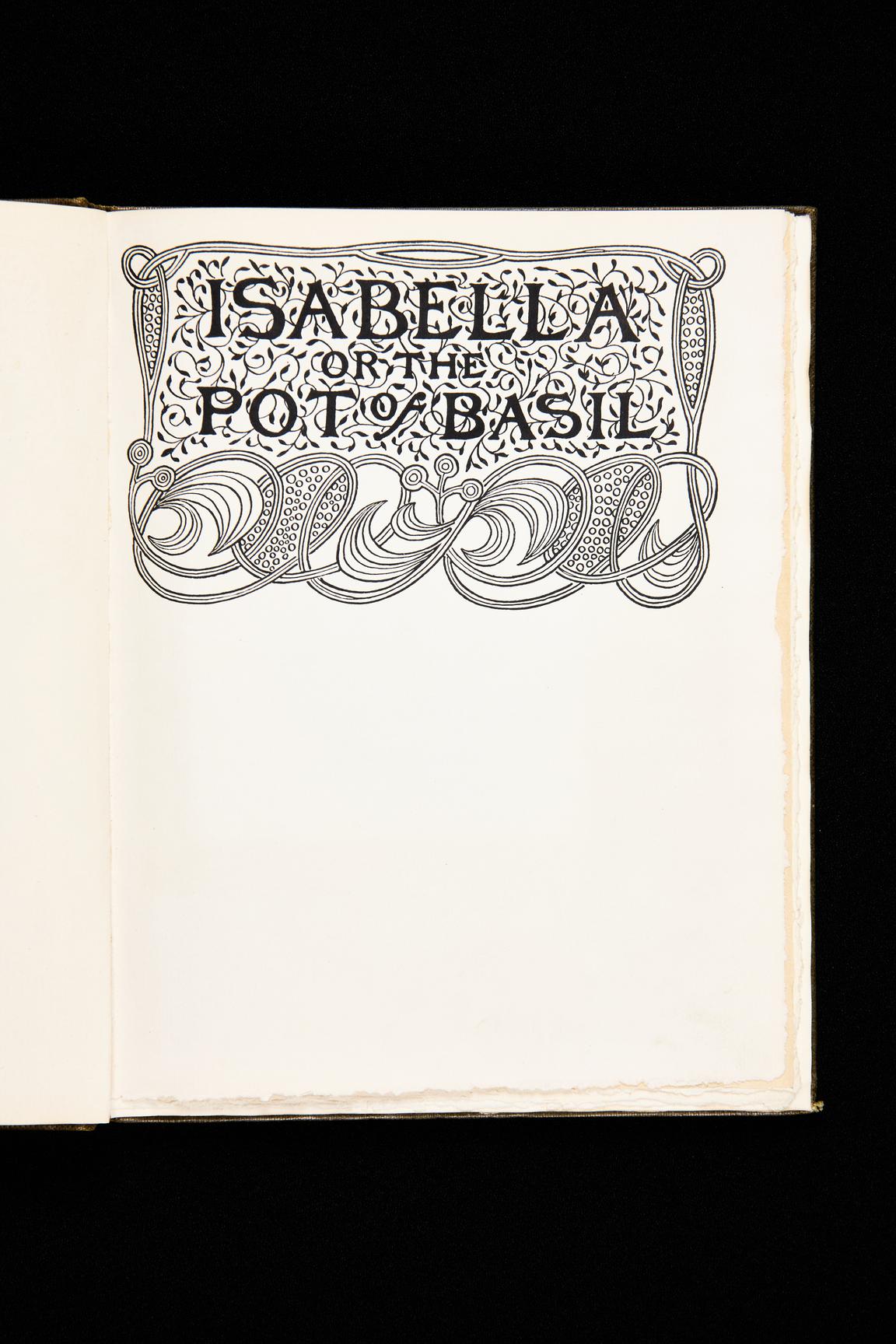
This is the historical context in which the Waldemar Zachrisson Prints Collection must be viewed: a good example of a conscious endeavour to rediscover and develop fine printing in the early 20th century, right before the breakthrough of Modernism. The collection provides a good overview of various typographic and aesthetic style features within the Anglo-Saxon private press movement from about 1890 to 1920. All in all, the collection amounts to 106 volumes, in 100 titles. Out of these, 20 are from Kelmscott Press, representing just over a third of the works issued by Kelmscott, a total of 53 titles. The Humanities Library has another three prints from Kelmscott in its other holdings, two of the former being duplicates of works found in the Zachrisson collection. In addition, this special collection boasts a copy of William Morris' masterpiece, Chaucer's Canterbury tales. With this, the Humanities Library holds 40 percent of the Kelmscott production - likely the largest collection of Kelmscott prints in Sweden.
Acquisition history
The collection was purchased by the Gothenburg University Library in 1972, from one of Waldemar Zachrisson's sons, Bruno Zachrisson. The purchase sum was 30 000 SEK. The purchase was made possible through grants from the Anna Ahrenberg fund, the Herbert & Karin Jacobsson foundation, and the Wilhelm & Martina Lundgren science foundation.
Biography
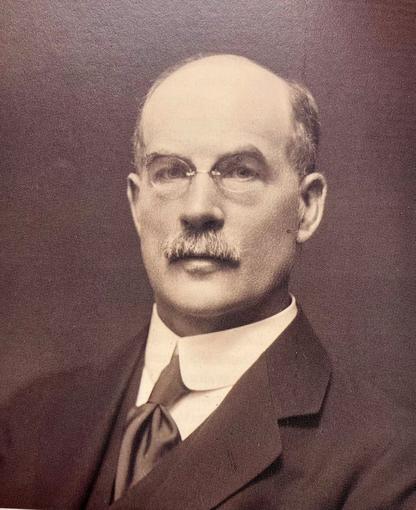
Peter Anders Waldemar Zachrisson was born on April 25 1861 in Kungsbacka. His father, Johan Adolf Zachrisson was a bank manager and book dealer. Waldemar attended school in Kungsbacka and Gothenburg, but did not remain for long at the Gothenburg grammar school. In 1874 after barely finishing three semesters, he returned home and finished his diploma under the supervision of a private tutor. At 14 or 15 he was made an apprentice at the C. A. Kindvall printing house in Varberg, where his father was well connected. He remained there for a year, and then continued at the Granberg printing house in Gothenburg.
In the autumn of 1877, Zachrisson began preparing his further education with the assistance of his father. A scholarship for studies abroad from the School of Commerce enabled him to make a longer journey for educational purposes in 1878, when Zachrisson was no more than 17. The trip had some of the qualities of that of a wandering journeyman, a tradition that survives in parts of Europe to this day, mainly in Germany and Austria. He would remain travelling from July 1878 until July 1881, and through these years he held seven different positions and visited 34 printing houses and three type foundries, in Hamburg, Leipzig, Berlin, Vienna, Saint Petersburg and Helsinki. Among other places, he worked at the then-famous K.K. Hof- und Staatsdruckerei in Vienna, then Europe's largest with 1 000 employees. However, Zachrisson was not particularly impressed with this establishment, and thought it had both "a lack of tasks and a lot of superfluous staff". He also reacted against the piecework system of the workshop, which rewarded speed over quality.
In 1889, Zachrisson married Beda Carlberg, daughter of postmaster August Carlberg. The couple had two children; Bruno (1890–1981) and Bror (1906–1983).
In the autumn of 1885 Zachrisson first began the work of establishing his own printing workshop, which opened in the late winter of 1886 at Köpmansgatan 36 in Gothenburg. When the business was converted to a joint-stock company in 1902, the board included, among others, Lars Wåhlin, head librarian at the Gothenburg city library. Zachrisson was well connected at the library throughout his active years.
In 1902–1912 Zachrisson published the Wezätas månadshäften. In 1900 he hosted an industrial fair of Swedish book manufacturing in Gothenburg. He was also a crucial force in the establishment of the Svenskt bokindustrimuseum in Stockholm in 1900. Zachrisson was the one to initiate the forming of the Swedish printers' association, the Allmänna svenska boktryckareföreningen and was one of the instigators behind the Swedish Exhibition & Congress Centre in Gothenburg, as well as the Föreningen Konstfliten association, established in 1906. In the following year, he also contributed to the opening of the Fackskolan för bokindustri at the then Slöjdföreningen art school in Gothenburg.
Waldemar Zachrisson died on March 12, 1924 in Gothenburg. His printing business was then merged with the AB Sveriges Litografiska Tryckerier (SLT, later rebranded Esselte).
Read more
Benjaminsson, Stefan. Waldemar Zachrisson och idealboken. Lund university.
Capelleveen, Paul van. Vale press collectors: Beda and Waldemar Zachrisson.
Cave, Roderick.The private press. Faber & Faber, 1971, p. 16 f.
Franklin, Colin.The private presses. Scholar press, 1990, p. 9.
Reseberättelse 1878-1881 : utgiven [1961] med anledning av hundraårsdagen av Waldemar Zachrissons födelse den 25 april 1861.
Waldemar Zachrisson via Det Gamla Göteborg
Waldemar Zachrisson via Wikipedia
Waldemar Zachrisson: boktryckare: en biografi - by Gustaf Bondeson, 1994.
Waldemar Zachrisson in the portrait collection of the Publicist club
Printers, private presses and publishers
The Waldemar Zachrisson Prints Collection includes materials from the below printers, private presses and publishers. A description of each of these along with a list of their prints represented in the collection is available through Gupea.
Suggested research topics
- An overview of the collection's contents. What is represented here, and how does it mirror the time and context of the material?
- Biographical research
- Provenances and dedications in the collection.
- The influence of the Arts & Crafts movement in Sweden.
- Private presses and their publications.
- Late parchment bindings from the 19th and 20th centuries.
Please contact us if you have any suggested research topics you would like to share!